

The Surprising Truth About Why Food Grade Diatomaceous Earth is Actually Harmful for Chickens (and Humans)
- Jan 28, 2025
- 3 min read

Diatomaceous earth (DE) is often promoted as a natural solution for parasites and flock health. But “natural” does not automatically mean safe. Arsenic and mercury are natural too — yet clearly dangerous.
Many chicken keepers unknowingly expose their birds (and themselves) to serious health risks by using diatomaceous earth in coops, dust baths, and even feed.
What Is Food-Grade Diatomaceous Earth?
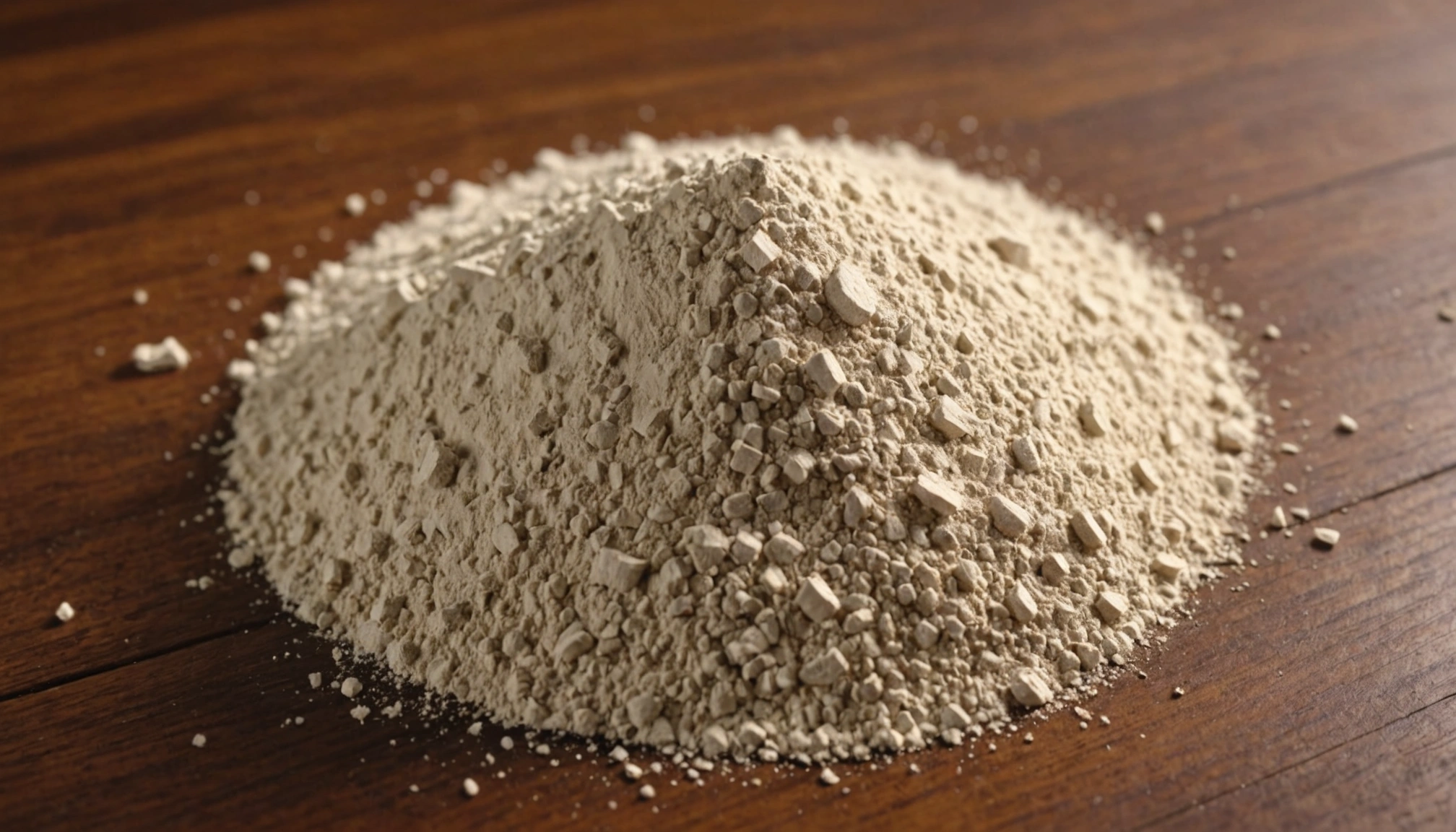
Diatomaceous earth is a fine powder made from fossilized aquatic organisms called diatoms. Its main component is silica. While most silica in DE is amorphous, it also contains crystalline silica, which is harmful when inhaled.
Despite marketing claims and animal images on packaging, DE is NOT approved for use on animals or in their environment. Its only approved use in food production is as a very small anti-caking agent during manufacturing — not as a supplement or parasite control.
Why Diatomaceous Earth Is Harmful for Chickens
Respiratory Damage
Chickens have extremely sensitive respiratory systems. Inhaling DE dust can:
Irritate lung tissue
Create scar tissue
Impair breathing over time
Crystalline silica is a known carcinogen in humans. Regular exposure in dusty chicken environments puts both birds and keepers at risk.
Yes — it’s natural. Yes — it’s organic. And yes — it can cause serious lung damage when inhaled.
Skin Damage & Immune Stress
DE dries everything it touches — including skin. Chickens exposed to DE often develop:
Dry, flaky skin
Irritation and discomfort
Increased vulnerability to infection
The skin is a chicken’s first line of immune defense. Compromising it weakens the immune system rather than supporting it.
Dust bathing is not meant to prevent parasites. Our role is to monitor and treat only when parasites are present.
Dehydration Risk
When added to feed, DE can absorb moisture from the digestive tract, increasing dehydration risk — especially in hot weather, illness, or stress.
Zero Nutritional Value
DE provides no protein, vitamins, minerals, or amino acids. It does not improve nutrition and can displace real feed intake, leading to deficiencies.
How Diatomaceous Earth Is Supposed to Kill Parasites
Diatomaceous earth is believed to work by physically damaging insects, not by poisoning them. The fine particles have microscopic sharp edges that can cut into an insect’s exoskeleton. In theory, this causes the insect to dehydrate and die — but only if the DE remains in constant contact for an extended period of time.
In controlled environments, such as dry grain storage where insects crawl slowly through undisturbed powder, this mechanism can be effective.
Why This Does NOT Work on Chickens
Mites and lice on chickens do not remain still long enough for this process to occur.
They:
Move quickly through feathers and skin
Hide in cracks and crevices, not exposed surfaces
Leave the bird frequently, especially at night
Additionally, DE becomes ineffective once it:
Gets damp
Mixes with oils from feathers and skin
Is displaced by normal chicken movement
The result is high dust exposure with little to no parasite control, creating risk without benefit.
Safer Alternatives to DE
Chick' N Protect (Preventative)
Deet-free
Essential oil based
Repels insects including mites
Supports healthy skin & feathers
No egg withdrawal
Safe for regular use
Management Matters More Than Powders
Good ventilation reduces dust
Proper nutrition supports immunity
Monitoring birds prevents infestation
A healthy flock is built through management, not shortcuts.
Final Thoughts
Diatomaceous earth may sound appealing, but the risks — respiratory damage, immune stress, dehydration, and long-term health consequences — outweigh any perceived benefit.
Better options exist. Better education protects flocks. Healthy chickens don’t need dangerous “natural” remedies.


Comments